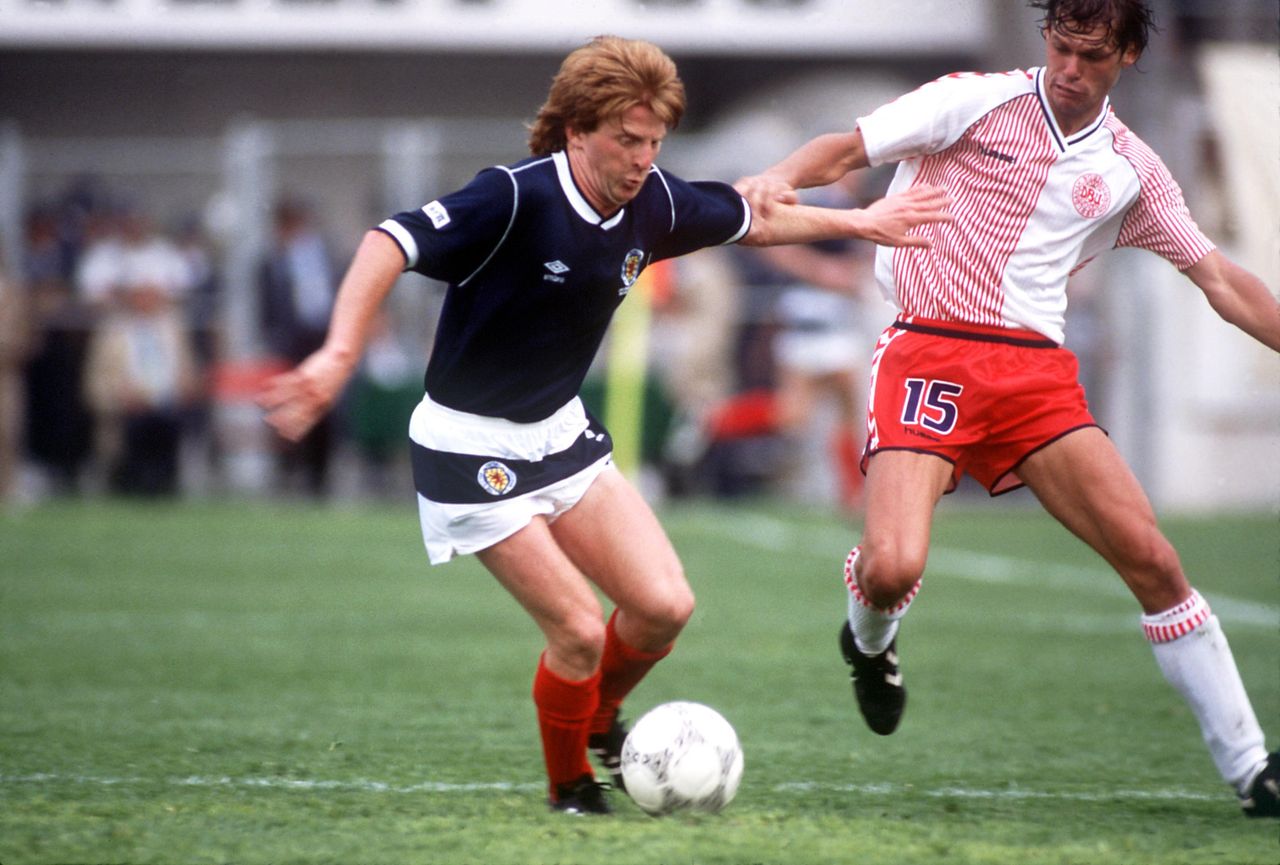
Gordon Strachan has spoken at length about his experiences representing Scotland at the 1982 and 1986 World Cup finals, offering a candid account of what it meant to play on the sport's largest stage during a period when Scotland were reliable, if ultimately frustrated, participants in the tournament.
FourFourTwo carried the interview, in which Strachan reflected on the culture and camaraderie that surrounded both campaigns. Among the more vivid recollections was his description of post-match drug testing — a process players apparently welcomed for reasons that had little to do with regulatory compliance. Those selected for testing, he explained, were permitted to drink freely until they were able to produce a sample, which made the procedure rather more popular than it might otherwise have been.
The anecdote, characteristically dry, says something about the era. The early 1980s were a different world for professional footballers, and the Scotland squads of that period operated in an atmosphere that blended serious competitive ambition with a social culture that would be unrecognisable in the modern game. Strachan was a central figure in both, a technically assured and combative midfielder whose energy and intelligence made him one of the more influential Scottish players of his generation.
Scotland qualified for six consecutive World Cups between 1974 and 1990, a run that remains a point of national pride even though the side never advanced beyond the group stage. The 1982 tournament in Spain and the 1986 edition in Mexico both followed the same painful pattern: Scotland gathered enough to intrigue but not enough to progress, their exits shaped by the fine margins that tend to define a small nation's relationship with the game at its highest level. In 1982 they were eliminated despite remaining unbeaten, a result of goal difference. In 1986 they again departed at the group stage, though the campaign produced individual moments of genuine quality.
Strachan was at the heart of both. His club career — which included significant spells at Aberdeen, Manchester United and Leeds United — gave him the experience and confidence to perform without inhibition on the international stage, and he carried that into both World Cups. His recollections, as relayed by FourFourTwo, suggest a player who looked back on those summers with warmth rather than bitterness, alive to the absurdities as much as the disappointments.
The interview does not mark any particular anniversary, but it arrives at a moment when Scottish football is once again finding its footing on the international stage, and when the stories of earlier generations carry a particular resonance. Strachan managed Scotland between 2013 and 2017, so his relationship with the national side has extended well beyond his playing days. His perspective on what it felt like to wear the shirt in those two World Cups carries the weight of someone who has sat on both sides of the dugout.
No further details from the FourFourTwo piece have been confirmed at this stage. The full interview is available on their website.