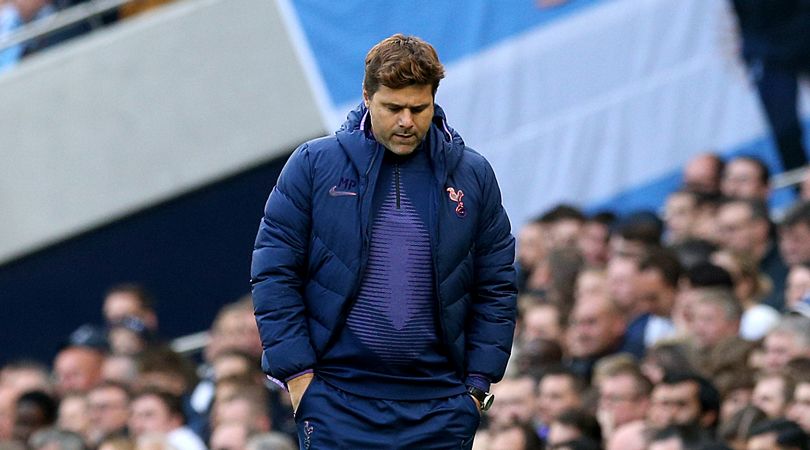
Mauricio Pochettino has reflected on his five years as Tottenham Hotspur manager, arguing that the period should be remembered as a significant achievement despite the club's failure to win a trophy during his tenure.
Speaking to FourFourTwo, Pochettino acknowledged the pain of leaving White Hart Lane — and later the new stadium — without a piece of silverware, pointing to the momentum that had gathered around the club as a source of particular frustration. Yet he was equally clear that the absence of a trophy should not be allowed to define everything that was built during those years.
Tottenham appointed the Argentine in 2014, and what followed was a sustained period of league competitiveness and a culture of development that the club had rarely managed before. Finishing second in the Premier League, regular Champions League qualification, and a run to the final of European football's premier club competition in 2019 were among the landmarks of that era — none of which translated into a winner's medal, but all of which left a visible mark on the club's standing.
The tension Pochettino describes is a familiar one in football: the gap between what a project produces in terms of progress and what it produces in terms of trophies. At Spurs, where the wait for major silverware has now extended for decades, that gap carries a particular weight. His comments suggest he has not fully made peace with it, even if he believes the broader verdict should be a generous one.
Since leaving Tottenham in November 2019, Pochettino has managed Paris Saint-Germain and the United States men's national team, among other roles, and his reputation as a builder of cohesive, high-intensity sides has remained largely intact. Whether he returns to club management in England at some point remains an open question, but his willingness to revisit the Spurs chapter publicly suggests it continues to occupy a prominent place in how he understands his own career.
For Tottenham supporters, the period he describes is one that many regard with genuine affection even amid the frustration of what it did not deliver. Whether the club's current direction produces comparable momentum — let alone surpasses it — remains the central challenge for those now in charge at north London.