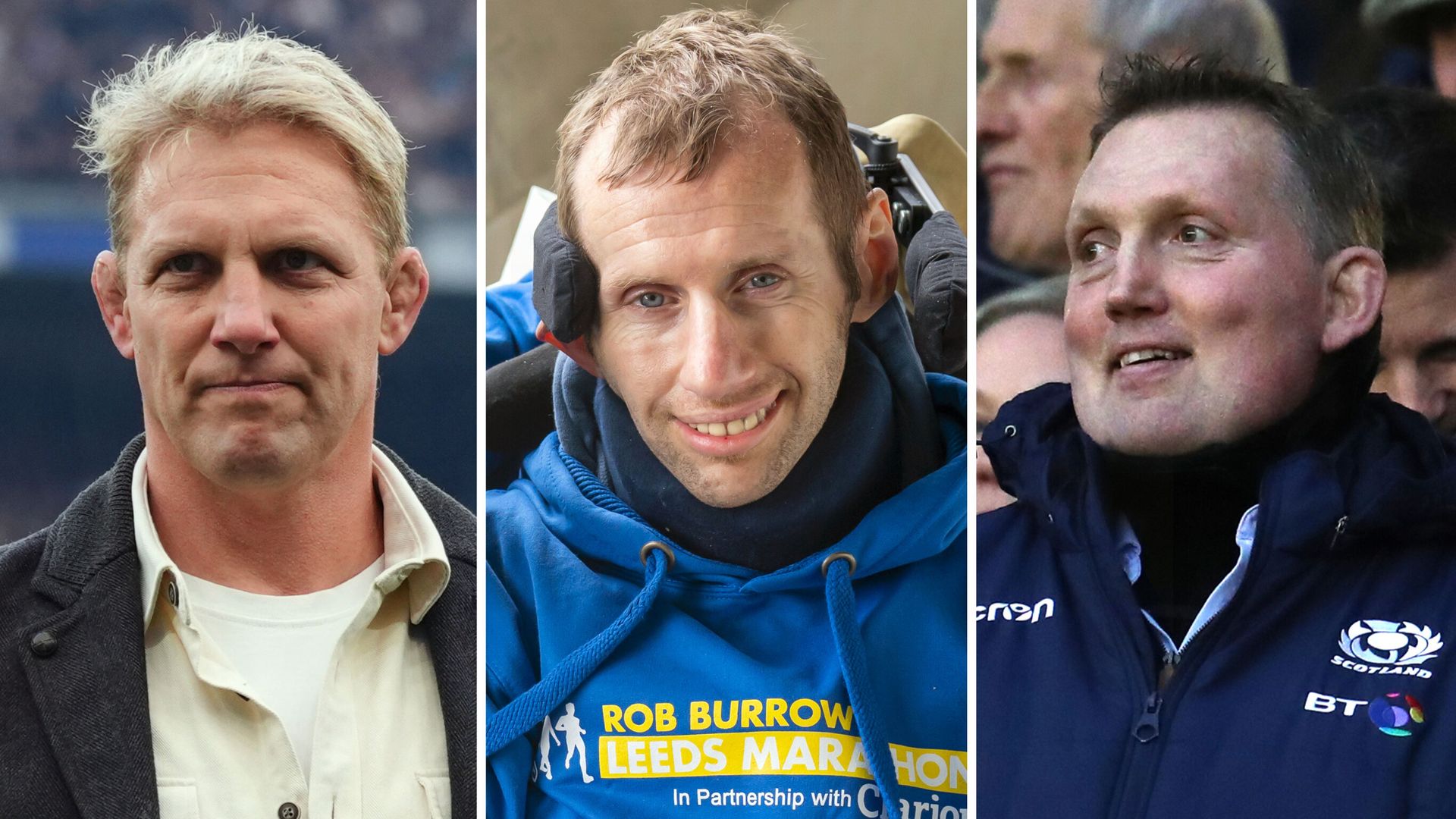
Motor neurone disease is a rare neurological condition that can affect any adult, though it is most commonly diagnosed in people over the age of fifty. It attacks the motor neurones — the nerve cells that carry signals from the brain and spinal cord to the muscles — causing those muscles to weaken and waste over time. There is currently no cure.
According to Sky Sports, the condition has drawn particular attention in sporting circles because of a series of high-profile diagnoses across multiple disciplines over recent decades. The reasons for any statistical link between professional sport and MND remain a subject of active scientific inquiry, and no definitive causal explanation has been established.
Researchers have examined whether repeated physical trauma, intense and prolonged exertion, or exposure to certain environmental factors during an athletic career might play a role in raising susceptibility. Some studies have pointed to elevated rates of diagnosis among former professional footballers and rugby players, though the science is not yet settled. What is agreed is that the condition warrants sustained investigation, and that sport's profile gives it a platform to drive both awareness and funding.
MND progresses at different rates in different people. Some individuals retain relatively normal function for years following diagnosis; others experience rapid deterioration. It affects speech, swallowing, movement, and eventually breathing. Cognitive function is not always impaired, which means many of those living with the condition remain acutely aware of their own physical decline — a circumstance that makes the psychological dimension of the illness as significant as the medical one.
Fundraising campaigns associated with sport have helped bring the condition to broader public attention, most notably in football, where the diagnosis of former players has prompted clubs, governing bodies, and supporters' groups to direct resources towards research organisations such as the MND Association. Sky Sports notes there is reason for cautious optimism: clinical trials are under way and scientific understanding of the disease's mechanisms has advanced meaningfully in recent years, even if a treatment that halts or reverses progression remains elusive.
For those diagnosed today, the prognosis is still serious. But the pace of research has accelerated, and the sporting community's continued engagement — financial, organisational, and personal — has made MND a condition that medicine is pursuing with greater urgency than at any previous point.